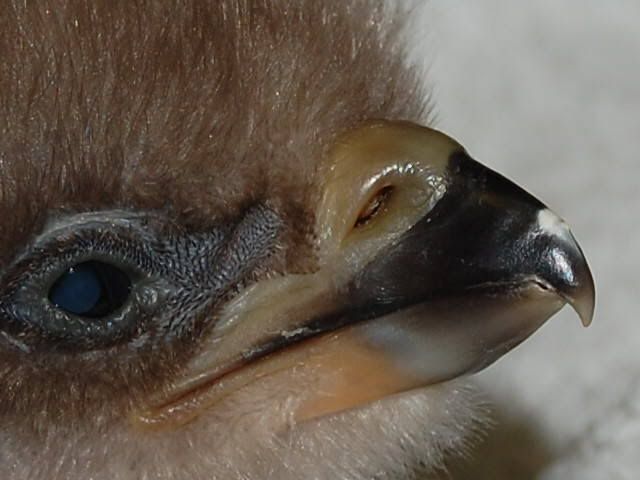
Tag Archives: altricial

LOST NESTLINGS AND FAILED BROODS OF EAGLETS

AT WILD BALD EAGLE NESTS,
2006-2020

ยฉ elfruler 2020

Lost Nestlings

20.8% of the eggs laid at the observed nests from 2006-2020 were lost. (See discussion here.) But the number of nestlings lost before they could fledge was fewer, 16.2%. As a percentage of the number of eggs laid, the number of nestlings lost was 12.9%.

Table 5

Click on the Pop-Out button to open in a new tab.

Loader Loading...
EAD Logo Taking too long?

Reload Reload document
| Open Open in new tab

Losses of nestlings were roughly equivalent across clutch size:

    • 1-egg nests lost 16.7% of their nestlings.
    • 2-egg nests lost 16.9% of their nestlings.
    • 3-egg nests lost 15.2% of their nestlings.
    • 4-egg nests lost 22.2% of their nestlings.

This contrasts with the more dramatic differences among clutch sizes in the loss of eggs, where 1-egg nests were far less successful with 55.6% losses, and 3-egg nests were significantly more successful with only 16.7% losses of eggs.

Causes of nestling loss, as with egg loss, include external events, such as bad weather, a fallen nest, Bald Eagle intruders, and intrusions by other animals. But nestling losses also come about for reasons that donโ€™t apply to eggs, including fall from the nest, injury, starvation, ectoparasites, disease, and poisoning. As with egg losses, many causes are observable on cam, but often the cause cannot be perceived from afar. If a nestlingโ€™s body can be retrieved from the nest without disturbing the other eagles, laboratory analysis might reveal a cause, but sometimes even then the reason is elusive.

The highest percentage of lost eggs were brought about by intruders (see Table 3), but it was bad weather that caused the most lost nestlings. This is no doubt due to the likelihood that nestlings are often exposed to the elements, whereas eggs remain more protected throughout the incubation period.

    • 19.7% nestlings were lost because of bad weather.
    • 13.7% fell from the nest.
    • 4.3% were predated.
    • 4.3% starved.
    • 4.3% were lost because of intruders.
    • 3.4% were injured.
    • 2.6% were victims of ectoparasites.
    • 1.7% of losses were due each to disease and poison.
    • The causes of a large plurality of losses, 44.4%, were unknown.
Failed Broods of Nestlings

There were 350 broods of nestlings at the nests from 2006-2020, and 8.9% lost all of their eaglets. Again, causes of some of the failed broods are known, but many are not. Table 6 enumerates the failed broods at specific nests (referred to by abbreviated codes, which are identified at the end of the table) and gives the cause, if known.

Table 6

Click on the Pop-Out button to open in a new tab.

Loader Loading...
EAD Logo Taking too long?

Reload Reload document
| Open Open in new tab

As with losses of clutches of eggs, 1-egg nests had the highest rate of failed broods of nestlings:

    • 1-egg nests lost 16.7% of their broods.
    • 2-egg nests lost 8.9% of their broods.
    • 3-egg nests lost 7.4%. of their broods
    • 4-egg nests lost none of their broods.

The number of broods of nestlings lost was highest at 4 in 2012, 2017, and 2018. But 2012 lost the highest percentage of total broods, with 17.4% lost. 2006 and 2008 had no failed broods, and only 1 brood failed in 2011, 2013, and 2019. The percentage of losses in 2019 was quite low, with only 2.9% lost.

Note that the second brood of eaglets at the Southwest Florida nest is included in the total number of broods. It is the only such second brood of nestlings in the data. (See discussion here.)

SUCCESS RATES OF CLUTCHES AND BROODS

AT WILD BALD EAGLE NESTS,
2006-2020

ยฉ elfruler 2020

Table 2 drills down more deeply into the clutches of eggs and broods of eaglets at the nests observed, showing the number of clutches of each nest size (1 egg, 2 eggs, etc.) each year, the number of clutches with hatched eggs in each nest size, and the number of broods with fledged eaglets in each nest size. The first page of the table gives numbers for clutches of eggs, which includes second clutches. The second page gives numbers for broods of eaglets and fledges.

The figures in the table refer to the number of clutches or broods of a particular size (1-hatch or 1-fledge clutches, 2-egg or 2-fledge clutches, etc.), not to numbers of individual eggs, chicks, or fledges, which are tallied in Table 1. Percentages illustrate the degree of success of a clutch or brood.

I use the term โ€œsuccessfulโ€ in reference to a clutch in which at least one egg hatched and to a brood in which at least one egg hatched and at least one eaglet fledged. An unsuccessful clutch is one in which no eggs hatched, and an unsuccessful brood is one in which no eaglets fledged.

I use the term โ€œperfectโ€ in reference to a clutch in which all eggs hatched and to a brood in which all eggs hatched and all eaglets fledged. Perfect clutches and broods are highlighted in orange.

TABLE 2

Click on the Pop-Out button to open in a new tab.

Loader Loading...
EAD Logo Taking too long?

Reload Reload document
| Open Open in new tab
Clutches of eggs with hatches (p. 1 of the Table)

Of 401 clutches of eggs, 87.5% were successful and 66.3% were perfect.

    • 1-egg clutches averaged a 44.4% success rate, which of course is the same percentage for perfect clutches, since only 1 egg is involved.
    • 2-egg clutches averaged a much higher success rate of 87.7%, with 70.1% perfect with 2 eggs hatched.
    • 3-egg clutches averaged an eye-popping 96% success rate, with 63.5% perfect with 3 eggs hatched.
    • 4-egg clutches hit the jackpot with a 100% success rate, 2 out of 3 of which (66.7%) were perfect with all 4 eggs hatched.

The low success rate of 1-egg clutches can be attributed at least partially to the fact that if the only egg is lost, the clutch is lost. The same could apply to the higher rate of success of both 2-egg and 3-egg clutches, with more eggs to โ€œspare.โ€ But the high rate of perfect 2-egg and 3-egg clutches defies this logic and perhaps points to subtle behavioral or biological factors such as parental attentiveness or the reproductive superiority of adults who succeed in laying more eggs than one.

Broods of eaglets with fledges (p. 2 of the Table)

Of the 401 clutches of eggs in Table 2, 76.8% ended up with successful broods of fledged eaglets, and 46.9% resulted in perfect broods.

    • 1-egg clutches averaged 33.3% successful and 33.3% perfect rates of fledged eaglets.
    • 2-egg clutches averaged 77% successful, with 50.8% perfect with 2 eaglets fledged.
    • 3-egg clutches averaged 85.7% successful, with 42.9% perfect with 3 eaglets fledged.
    • 4-egg clutches were 100% successful in producing fledglings, but only 1 out of 3 clutches, or 33.3%, resulted in a perfect 4 fledged eaglets.

Comparing the success rates of broods of eaglets with success rates of clutches of eggs illustrates well the challenges that hatched nestlings and their parents face in achieving the full development and growth from hatch to fledge. In all except 4-egg clutches, the percentage of successful broods dropped by a little over 10 points from the percentage of successful clutches.

    • 1-egg nests had 44.4% successful clutches but only 33.3% successful broods.
    • 2-egg nests had 87.7% successful clutches but only 77.0% successful broods.
    • 3-egg nests had 96% successful clutches but only 85.7 successful broods.
    • 4-egg nests had a 100% successful rate for both clutches and broods.

As noted in the discussion of Table 1, some fledges could not be confirmed. In Table 2 where the numbers refer to clutches and broods rather than to individual eggs or eaglets, a nest where at least 1 eagletโ€™s fledge is not confirmed is counted in the unconfirmed row, even if at least 1 eaglet did fledge.

Table 2, like Table 1, shows that numbers can fluctuate up and down from one year to the next, and there is no clear trend in either direction.ย  For example:

    • Successful clutches hit a peak of 100% in 2007, and a low of 75%in 2015. 2019 was above average with 89.7% successful, but 2020 was below average with 76.7%.
    • Perfect clutches ranged from a low of 50% in 2006 to an astounding 91.3% in 2012. 2019 was slightly above average at 66.7%, while 2020 was well below average at 53.5%
    • Successful broods were at a low 50% in 2006, with a high of 87% in 2011. 2019 was well above average with 84.6% successful, while 2020 fell slightly below average with 72.1%
    • Perfect broods were low in 2006 with 33.3%, but very healthy in 2010 at 63.2%. 2019 had an above average rate of 48.7% perfect broods, and 2020 was at the lower end of the range with 39.5%.

EGGS, NESTLINGS, AND FLEDGLINGS

AT WILD BALD EAGLE NESTS,
2006-2020

ยฉ elfruler 2020

The table presented on this page gives numbers of eggs, nestlings, and fledglings observed at wild Bald Eagle nests on streaming video cams or by credible ground observers from 2006-2020. (Click here for a list of nests providing data.)

Table 1 gives precise counts of eggs laid, chicks hatched, and eaglets fledged over the 15 breeding seasons, broken down by year and by clutch size (1-egg, 2-egg, 3-egg, 4-egg, 5-egg), with totals and percentages.

TABLE 1

Click on the Pop-Out button to open in a new tab.

Loader Loading...
EAD Logo Taking too long?

Reload Reload document
| Open Open in new tab

Here are some highlights:
    • The data incorporate numbers from a total of 388 nesting seasons, resulting in 401 clutches of eggs including 12 second clutchesย after loss of the first clutch (see Notes at the bottom of the table).
    • Of the total clutches for the 15-year time frame,
      • 1-egg clutches made up 6.7% of total clutches;
      • 2-egg clutches made up 60.8% of total clutches;
      • 3-egg clutches made up 31.4% of total clutches;
      • 4-egg clutches made up 0.7% of total clutches.
    • A total of 910 eggs were laid.
    • The average number of eggs laid per clutch was 2.3.
    • 721 of the eggs hatched, or 79.2% of the eggs laid.
    • Of the clutches in which at least one egg hatched,
      • in 1-egg clutches, 44.4% of the eggs hatched;
      • in 2-egg clutches, 78.9% of the eggs hatched;
      • in 3-egg clutches, 83.3% of the eggs hatched;
      • in 4-egg clutches, 75% of the eggs hatched.
    • A total of 588 eaglets were confirmed to have fledged, either directly from the nest (571), or after rehab and release (17). This is 81.6% of nestlings hatched, or 64.7% of eggs laid.

In a handful of cases it is unknown whether a particular eaglet fledged, sometimes when the cam went down, or the cam angle made it impossible to follow an eagletโ€™s movements, or an eaglet had a misstep and fledged before it seemed ready and ground searches could not confirm it was safe.

Numbers can fluctuate up and down from one year to the next, and there is no clear trend in either direction.ย  For example:
    • 14.6% of the clutches in 2018 had 1 egg, none in 2019, and only 7% in 2020. The numbers of 3-egg nests jumped from 28.6% in 2013 to 41.4% in 2014, then dropped to 21.4% in 2015.
    • The total number of eggs hatched ranges from 66.7% in 2006 to 96.3% in 2012.
    • Sheer numbers can be deceptive. In 2020 a whopping 29 eggs were lost, but that is 70.7% of the total number of eggs laid that year, slightly below the average of 79.2% for all eggs hatched.
    • Confirmed fledges (directly from the nest and rescue/rehab) varies between 69.2% in 2012 and 93.5% the year before, 2011.

The fluctuations in the numbers actually reflect what observers have seen happen on the nests. Many factors affect the success of a given nest in a given year. These include weather, change of nest, change of mate, food availability, intruders and predators, and unusual events such poisoning and accidents. The variations also could be reflective of the relatively small sampling of nests.

NUMBERS FROM THE NESTS

WILD BALD EAGLES, 2006-2020

ยฉ elfruler 2020

The video cameras that have been trained on Bald Eaglesโ€™ nests since 2006 have provided a treasure trove of information about the breeding behavior of these apex raptors. In the universe of the more than 100,000 active Bald Eagle nests in North America, the data that these particular nests yield is minuscule. A few published scholarly reports on Bald Eagle nesting success focus mainly on a circumscribed area (e.g. Florida) for 1 or a few breeding seasons. The data here from the nests on cam span 15 years of breeding from 2006-2020 across a wide geographical expanse throughout the continent, and they represent the full range of climates and habits in which Bald Eagles reproduce. (Nests included in the data are listed here.)

Over the period, adult pairs at these nests made 401 breeding efforts at 85 locations, producing 910 eggs, 721 hatchlings, and at least 588 fledglings. These numbers might be considered a fair sampling of breeding data for the species.

The pages and tables that follow break down the data collected via these cameras on multiple levels. The raw numbers of eggs laid, nestlings hatched, and juveniles fledged, from nest to nest and year to year, yield statistics and percentages that give an overall view of breeding success over the 15 years. Burrowing more deeply into these numbers reveals how many clutches are successful over time, and which clutches of a particular size (1 egg, 2 eggs, etc.) are more successful than others. The numbers open a window into losses of eggs and eaglets, and what we can learn about reasons for those losses. And the numbers help flesh out some perceptions of behaviors of nesting Bald Eagles, such as coping with bad weather, predators, and intraspecific intruders (by other Bald Eagles), and replacing a lost clutch.

The data reinforce some facts that are already known:ย  Bald Eagles typically lay clutches of 2 eggs, with clutches of 3 eggs less common, clutches of 1 egg unusual, and clutches of 4 eggs quite rare. A fair number of eggs do not hatch, but a healthy majority end in successful fledges.

Other details to emerge from these analyses are perhaps more surprising:ย  While overall averages seem consistent with what is generally believed, there is often a wide range of values across seasons and from nest to nest.ย  In some years the number of eggs lost far exceeds the average, while in other years few eggs remain unhatched. Similarly, the number of nestlings that die before fledging covers a wide range among the years. Three-egg nests produce a higher percentage of fledges than either 2-egg nests or 1-egg nests; the latter are least successful in producing fledges.

These pages represent a complete revision of data that I published here in 2018, which consisted of a single page and 1 spreadsheet. For this new report I have pared down the nests to include only those with the most reliable observations, mainly the ones with streaming video cams, plus a small number of nests with reliable ground observers. I have also expanded the detail and breadth of information and analysis, resulting in 8 spreadsheets, and I have provided a narrative discussing each one. I have also compiled a lengthy list of References to literature on breeding, eggs, incubation, and survival.

These tables and narratives are presented in sequence in the pages that follow:
Additional new pages also make use of the nest data:
Full references for citations in the following pages are given here:

I began collecting data when I started watching web cams in 2009. Thanks to the Hancock Wildlife Foundation, the Institute for Wildlife Studies, spreadsheets compiled by Judy Barrows, nest cam websites and Facebook pages, and numerous individuals with whom I have communicated, I have been able to stretch the data back to 2006 when streaming cams first began operating. These sources also have been invaluable in filling in gaps in my own observations. I owe all of them a great debt of thanks.


EAGLET DAILY PHOTOS AND MILESTONES

ยฉ elfruler 2019-2020

Click here for an Introduction to this page.

Photos here are from the 2019 breeding season in a Bald Eagle’s nest in Bluff City, TN, broadcast live by East Tennessee State University, and are used by permission.ย  Click here for link to the live cam.ย  The focus here is on the elder of two eaglets, BC14.ย  Many thanks to Michelle France and Donna Young for helping to collect the screen captures and tell the story.

Measurements are derived or calculated mainly from Bortolotti 1984a, 1984c, and 1984d, and Gerrard and Bortolotti 1988 (Click here for References).ย  Numbers given here are in the ball park but will vary from one eaglet to another.ย  ย % indicates the proportion a particular measurement bears to its value at the juvenile’s full size (Click here for information about taking measurements.)

BC14 hatched at 10:32 a.m. on 3/11/19.ย  The cam provided a rare birdโ€™s-eye (pun intended) view of how an eaglet uncurls itself from inside the egg in the first few seconds of hatching.ย 

Iโ€™ve slowed the stream to 10% of normal speed and added arrows to indicate the back, head, left wing, right wing, beak, tail, legs and feet, egg tooth (yes! the egg tooth!), umbilicus, and receding yolk sac of the hatchling. The eaglet has its back to us and its head is down, tail up.

In the weekly galleries below, click on photos for larger views and to scroll through images.ย  The numbering of Days refers to the age of BC14; Day 0 is Hatch Day, Day 1 is 24 hours after hatch, etc.ย ย 

The eaglet is hatched with pink skin covered by a thin layer of light gray natal down.ย  The beak and cere are gray, facial skin is dark,ย legs and feet are pinkish-cream-colored, eye ring is dark and protruding.ย  The eaglet is weak, with limited mobility, balance, and vision. First feeding can occur within about 2 ยฝ hours.

HEIGHTWEIGHTBEAK LENGTH
BEAK DEPTH
FOOT PAD
Day 0
7.6cm
91g (2%)
11mm (21%)
9mm (26%)
16mm (11%)

Skin color changes from pink to bluish-gray, feet and legs are cream-colored; cere turns from pale gray to pale yellow.ย  Steadily gains strength and balance through the week, gaining ability to take food, โ€œswimโ€ on belly with wings and legs, escape from nest cup.ย  Eyes focusing better, seeking out and imprinting on parents.ย  Sibling competition begins.ย  Natal down and egg tooth remain through the week. First PS can occur about 12 hours after first feeding.

HEIGHT
WEIGHT
BEAK LENGTH
Day 6
16cm
300g (6%)
17mm
(F 29%, M 31%)

Skin around eyes becomes lighter gray.ย  Supraorbital ridge more prominent by mid-week.ย  Egg tooth disappears.ย ย Cere turns gray, rictus of mouth paleย yellow.ย  Feet are beginning to grow rapidly; talons are beige and growing.ย  Second down appears as early as Day 6.ย  Juvenal contour feathers (pin feathers) start to emerge on wings, back, and legs by weekโ€™s end; male’s remiges emerge earlier than female’s.ย  (The contour feathers emerge from the natal down follicles and push the natal down out as they grow.)ย  Facial bristle feathers emerging around eyes and beak.ย  Reaching out for food more actively; backing up to nest edge to slice;ย walking sturdily on hocks; preening, stretching, flapping, and scooting as far out as the nest rails.

WEIGHT
BEAK LENGTH
BEAK DEPTH
FOOT PAD
Day 13
950g (20%)
24mm
(F 45%, M 48%)
19mm
(F 58%, M 63%)
F 88mm (60%)
M 87mm (66%)

Growth spurt begins and size differences between male and female develop, especially in weight, beak length, foot pad, and 8th primary feather.ย  Females are larger, but males grow earlier and more quickly.ย  By mid-week, female is gaining 70-180g per day, male 80-150g per day.ย  ย Beak and feet growing rapidly. ย Talons turn from beige to black.ย  Second down thickens, approaching ability to thermoregulate.ย  Some second down is growing on the front of the upper region of the tarsometatarsi.ย  Wing primary and covert feathers lengthen, pushing out natal down at the tips; primaries grow a little over 7mm per day.ย  Contour feathers emerge on back, shoulders, legs, and breast.ย  Rectrices start to emerge by mid-week. Beginning to stand on toes briefly.ย  Stretching and rousing, pellet casting, resting on the rails.

HEIGHT
WEIGHT
BEAK LENGTH
BEAK DEPTH
FOOT PAD
Day 20
30cm
F 1750g (34%)
M 1500g (37%)
31.6mm
(F 57%, M 61%)
F 24mm (69%)
M 23mm (70%)
F 109mm (74%)
M 108mm (82%)

Growth spurt continues.ย  Remiges are increasingly measurable.ย Rictus of mouth is yellow. ย Second down covers entire body except on top of head where natal down layer is still prominent (resulting in that famous “mohawk” look).ย  Head, neck, and side contour feathers coming in.ย  Pecking at food, grasping and playing with nesting materials, wobbly toe-walking by the end of the week.ย  Sibling competition transitions into play.

WEIGHT
BEAK LENGTH
BEAK DEPTH
FOOT PAD
8th PRIMARY
Day 27
F 3000g (59%)
M 2400g (60%)
40mm
(F 72%, M 77%)
F 27mm (81%)
M 25mm (83%)
F 125mm (85%)
M 115mm (87%)
Day 27-33
F 64-70mm
M 74-80mm

Energy demands for metabolism and growth peak by Day 30, then weight gain tapers off.ย  Feet nearly full size by week’s end and are turning yellow.ย  Stretching, flapping, preening, and more confident toe-standing and -walking. Standing on nest twigs as if on a branch, practicing holding with toes and talons.ย  Parents hold food further away to encourage reaching; eaglet may lunge for food and attempt to tear off bites with beak; hasn’t yet mastered the skill of holding food down with feet.

WEIGHT
BEAK DEPTH
FOOT PAD
8th PRIMARY
Day 34
F 3500g (69%)
M 3000g (72%)
F 29mm (85%)
M 27mm (87%)
F 142mm (97%)
M 129 (98%)
Day 32-38
F 100-106mm
M 110-116mm

At week’s end the eaglet is about 3/4 of full weight.ย  Feet are nearly full grown.ย  Toes and tarsometatarsi fully grown (making banding possible).ย  Legs, feet, lores, and rictus of mouth are yellow. Stretching and flapping, standing securely, grabbing and mantling food as it is delivered, tearing food more effectively.ย  Grasping and playing with nest materials with talons and beak.ย  Vocalizations transitioning from chirps to persistent chittering and loud “squees,” especially at parental visits and food deliveries.

WEIGHT
BEAK DEPTH
FOOT PAD
8th PRIMARY
Day 41
F 3800g (75%)
M 3300g (73%)
F 31mm (88%)
M 29mm (90%)
F 146mm (99%)
M 130 (98%)
Day 37-43
F 136-142mm
M 146-152mm

From Days 40-45 growth of beak and feet slows; feet andย legs will be fully grown by Day 50.ย  Contour feathers on front of the upper region ofย  the tarsometatarsi emerging. ย Wing flapping becoming more vigorous, flap-hopping higher.ย  Standing on the rails to slice. Long stretches of standing and looking out, or sleeping on the rails.

WEIGHT
BEAK DEPTH
FOOT PAD
8th PRIMARY
Day 48
F 4500g (88%)
M 3500g (88%)
F 32mm (90%)
M 30mm (92%)
F 147mm (100%)
M 132mm (100%)
Day 42-48
F 171-177mm
M 181-187mm

Contour feathers on sides and belly filling in.ย  Whitish sheaths still visible at bases of remiges and upper- and underwing coverts.ย  Confident standing.ย  More effective self-feeding, but still relies on parents for most feedings; grabbing, stealing, and mantling food.ย  Vigorous flapping, lifting off, enjoying the wind.ย  May begin branching, perhaps with 1-2 flaps, often by stepping.

WEIGHT
BEAK DEPTH
8th PRIMARY
Day 55
F 4600g (90%)
M 3700g (92%)
F 33mm (93%)
M 30mm (93%)
Day 47-53
F 207-213mm
M 217-233mm

After about Day 60 growth tapers off except beak, hallux claw, and flight feathers.ย  Some remnants of sheaths at bases of wing coverts. ย Juvenal body feathers nearly complete except on wings and tail; contour feathers on flanks still filling in, as well as on the upper region ofย  the tarsometatarsi.ย  Axillary feathers (wingpits) mostly white.ย  Aggressively grabbing and attempting to steal food from parents and siblings.ย  Flapping results in hovering in mid-air for several seconds.ย  Siblings watch, mimic, and play with each other. ย Branching likely.

WEIGHT
BEAK LENGTH
BEAK DEPTH
8th PRIMARY
Day 62
F 4800g (94%)
M 3850g (96%)
F 54mm (98%)
M 49mm (95%)
F 33mm (94%)
M 30mm (94%)
Day 52-58
F 243-249mm
M 253-259mm
Day 57-63
F 278-284mm
M 288-294mm

Lower leg feathers are thickening.ย  Aggressive food grabbing,ย stealing, and mantling.ย  Confident one-foot perching and preening on branches.ย  Vigorous flapping and long hovers.ย  Sometimes stumbles when landing, learning to use wings to regain balance.ย  Fledging is possible from Weeks 10-13.ย  Males usually fledge 3-4 days before females.

8th PRIMARY
Day 62-68
F 314-320mm
M 324-330mm

Growth of primaries slows after 72 days.ย  Branching more confidently, learning to perch, move around, and use wings for balance on branches.ย  Fledging can occur suddenly and without warning, although eaglet may look intently at nearby branches and appears to evaluate suitable landing spots.ย  First landing is usually awkward, and eaglet may end up on the ground.ย 

8th PRIMARY
Day 67-73
F 350-356mm
M 360-366mm

By Day 80 primaries have reached 80% and rectrices 84% of their full length (achieved in the second winter).ย  Male primaries growth tapers off, but female primaries continue to grow after fledge.ย  Juvenal feathers will be longer than those of mature adults and will become shorter with each molt until year 5.ย  Beak and hallux talon not yet fully grown at fledge (they will reach full size by the second or third winter).

WEIGHT
BEAK LENGTH
BEAK DEPTH
8th PRIMARY
Day 80
F 5100g (100%)
M 4000g (100%)
F 54mm
M 50mm
F 35.8mm
M 32.2mm
F 378mm
M 353mm

BC14 fledged unintentionally on Day 81, 5/31/19, but the eaglet was ready.ย  The branch on which it was perched broke and the eaglet fell but quickly recovered and flew strongly in the direction of trees across the creek.ย ย 

The new fledgling juvenile eagle returned to the nest 3 days later and visited several times before dispersing from the area for good.ย  Its sibling, BC15, fledged 8 days after BC14.


PERSONAL NOTE:ย  In my opinion the 2 eaglets at this nest in 2019 are of the same gender, either female-female or male-male (it is impossible to know which).ย  The younger may appear to be slightly smaller, but according to Bortolotti (1986a, 1986b), a younger sibling is almost always slightly smaller than an elder of the same gender.ย  A male develops earlier and more quickly, but a female eventually is noticeably larger, especially so if she is the elder.ย  (Male-female broods are quite rare.)ย  It is quite difficult to ascertain relative size because of the camera angle and lack of perspective, but at fledge I could not see a significant size difference between BC14 and BC15.


EAGLET GROWTH AND DEVELOPMENT

ยฉ elfruler 2019

The growth and development of a Bald Eaglet from hatch to fledge takes about 10-13 weeks.ย  Along a spectrum of morphological and behavioral states from least developed (“altricial“) to most developed (“precocial“), raptors fall near the minimally developed end.ย  Altricial hatchlings have few or no feathers, closed eyes, little to no mobility, no ability to thermoregulate, and need parental care to survive and grow.ย  Precocial hatchlings have a full layer of down feathers, open eyes, mobility and thermoregulating ability, ability to feed themselves, and are soon able to leave the nest.ย  Raptors are consideredsemi-altricial:ย  at hatch they have a thin layer of down but are unable to thermoregulate, their eyes are open or partly open although not yet able to focus or follow movements, they have some mobility, and they are entirely dependent on parents to survive and grow.

Thanks to the work of Gary Bortolotti and Jon M. Gerrard in Saskatchewan in the 1970s and 1980s, we have reliable information on the development of eagle nestlings from hatch to fledge, including weight and growth of the critical beak, feet, and wing feathers.ย  (Click here for References.)ย  Beak and feet grow faster than other body parts because they are essential tools for survival and take several weeks to be fully developed.ย  The “gangly” and “clownish” look of young eaglets is largely due to the disproportionate growth of feet and beaks.

Hatched with thin natal down, eaglets gain a thicker second set of down starting a week or so after hatching, and soon thereafter their body (contour) feathers begin to grow.ย  These feathers will become the juvenal (first-year) eagle’s smooth covering by the time it fledges.ย  They take several weeks to reach full length, especially the wing feathers which are not yet fully grown until after fledge.

Steadily emerging behaviors reflect the growth of the eaglet’s skeleton, muscles, feathers, and neurological systems.ย  As the days go by the eaglet develops the ability to hold up its head, maintain its balance, focus on and follow the parents with its eyes, reach out and eventually lunge for food from the parent’s beak and finally pull bites of food off a fish by itself.ย  Especially with the emergence of contour feathers, an eaglet engages in near constantย preening, using its beak to remove the protective sheaths around the feathers and help the vanes unfurl and its barbs lock together.

It swiftly gains mobility, from pulling itself by its wings and pushing with its legs through the soft nest materials, to standing and walking on its hocks, stepping backwards toward the edge of the nest and tipping up onto its toes to expel wastes over the side, ultimately graduating to standing tall on its toes and walking around like its parents.

As wing feathers begin to grow the eaglet waves its arms and extends them overhead in a full body stretch (which falconers call “warbling”), then builds its breast muscles with vigorous flapping, flap-hopping, and finally catching the air to hover above the nest.ย  Inbetween all this activity, an eaglet spends many hours sleepingย and resting, apparently doing nothing but growing.

The pages here follow the daily growth and development of the two eaglets at the Bluff City nest in Tennessee in 2019, through an online camera operated by East Tennessee State University (ETSU).ย  BC14 hatched on 11 March at 10:32 a.m., and BC15 hatched a day and a half later, 12 March by about 11:00 p.m.ย  Photos and videos here are from the Bluff City cam and are used by permission.

Heartfelt thanks to Michelle France, camera operator and keen observer at the ETSU nests, and to my long-time eagle-watching partner Donna Young for her careful observations of Bald Eagle behavior and eaglet development over the years, and her contributions to the descriptions on these pages.


HATCHING!

You know about the internal pip, the egg tooth, and the external pip. But do you know about symmetrical hatching, the complexus muscle, gas exchange via the chorioallantoic membrane, nidicolous chicks, and semialtricial species? If you’re interested in a slightly different presentation of hatching, check this out.

HATCHING

ยฉ elfruler 2018, 2026
with thanks to Donna Young

(Click on images for an enlarged view; on videos, click on full screen icon. )

The avian egg is a marvel of nature, a self-enclosed and perfectly effective living environment for the developing bird embryo. It contains all that is necessary to enable a small and weak organism to develop into a chick with all its parts and enough strength to break through and emerge into the outside world.ย Here is an account of the many factors involved in a chickโ€™s hatching.

Inside the shell

  • The eggshell is a complex structure of hard calcium carbonate crystals interwoven with collagen fibers, and it is coated by a thin layer of crystalline calcite and smooth protein cuticle. The shell is sturdy enough to protect the developing embryo, yet it has microscopic pores that allow oxygen to pass into the egg and carbon dioxide and water vapors to pass out.
  • Twoย soft keratin membranes line the inside of the shell, both formed in the isthmus of the oviduct to serve as developmental and structural foundation for the hard shell. These shell membranes help protect the embryo from external microbes, facilitate the exchange of oxygen, carbon dioxide, water between the embryo and the outside environment, and collect calcium from the shell to be transferred to the embryo for its bone development. The outer membrane is attached to the inside of the shell, and the thinner inner membrane lines the outer membrane. There is a small gap between the 2 membranes in the blunt end of the shell.
  • The yolk sac, with its supply of fats and proteins to nourish the growing embryo, is attached to theย embryo by a cord leading into the abdominal cavity.
  • Another membrane is adjacent to the inner shell membrane, theย chorioallantoic membraneย (CAM). It surrounds the embryo and the yolk sac and is connected to the embryoโ€™s heart via blood capillaries that pass through the abdominal wall at the same opening where the yolk sac enters. The CAM performs the embryoโ€™s respiratory function, transferring oxygen received by the shell membranes to the embryo and sending carbon dioxide out through the shell membranes. It also transfers calcium from the shell to the embryo, and collects wastes and stores them until after hatch. At hatch the CAM remains attached to the shell and detaches from the chick.
  • Starting about a third of the way through the ~36 days of an eagle embryoโ€™s growth in the egg, an โ€œegg toothโ€ or โ€œpipping tooth,โ€ a small, hard, sharp protuberance of calcified keratin near the tip of the beakโ€™s upper mandible, begins to develop. Click here for a closeup of the egg tooth on a hatchling eaglet at the Institute for Wildlife Studies. The egg tooth gradually wears away within a couple of weeks after hatch.
  • A few days before hatch begins, a paired muscle in the back of the chickโ€™s neck (the complexusย orย hatching muscle) swells in response to the influx of fluids from adjacent lymph glands. (This muscle plays a role in neck extension in grown eagles).
  • Just before hatch, theย egg weighs about three-quarters of its weight when it was laid, because it has absorbed and metabolized fats from the yolk and lost evaporated water through the membranes. When laid, a Bald Eagle weighs about 113-127 g (4-4.5 oz.). By the time it hatches the eggโ€™s weight has been reduced to about 89-102 g (3.2-3.6 oz.). Sizes vary with latitude, larger in the north than in the south, and with hatch order โ€“ eggs decrease in size from the first egg of a clutch to the last. Theย eggshell is much thinnerย than when the egg was laid because the chick has absorbed much of its calcium for its bones.

The hatching process

  • As the embryo nears hatch it takes up most of the space inside the shell โ€“ it is crowded in there! The chick lies on itsย left sideย with its feet in the smaller end of the shell and itsย head tucked forwardย against its breastย near the blunt endย of the shell. The inner shell membrane and CAM are draped over the head, beak, and wings.

    ยฉ elfruler
  • In the days leading up to hatch, the evaporation of water leads to an increase in the amount of air inside the shell, which enlarges the gap between the inner and outer shell membranes at the blunt end. This expandedย air cell spreads along the shellโ€™s upper side. As it takes hatching position the embryoโ€™s back is pressed against the air cell and its head is tucked forward towards its belly and under the right wing, with the beak pointing toward the air cell.

    Image used by permission courtesy of Charles County, MD, Dept. of Recreation, Parks, & Tourism, Port Tobacco River Park Eagle Cam
  • The embryoย absorbs the remainder of the yolk sac into its abdominal cavity and the opening closes up, leaving a โ€œyolk sac scarโ€ (the umbilicus or โ€œbelly buttonโ€), which eventually fades. The protruding umbilicus is obvious in this screenshot from the MD Port Tobacco cam in 2019.
  • The swollenย complexusย muscle in the back of the neck contracts, causing the body of the embryo to stretch out and pulling the head back so that it presses against the inner shell membrane. The right wing further stretches the membrane and lifts it away from the head. The pressure from head, beak, and wing ruptures the membrane, resulting in what is called theย internal pip. The air cell releases a small supply of oxygen and prompts the chickโ€™sย lungs and its 9 air sacs to begin functioning.
  • With its lungs beginning to work, the chick (as it now can be called, instead of embryo) begins to emit little cheeps, which often can be heard on the nest cams.
  • After the internal pipย the chick restsย as its lungs begin to inhale oxygen and exhale carbon dioxide and to make the proper exchange with the circulatory system. The respiratory function of theย CAMย is winding down and the cord connecting it to the embryoโ€™s heart through the umbilicus site begins to dry up.
  • While the lung function is developing, the contractions of the complexus muscle increase. The head and beak begin to jerk back against the shell repeatedly and the spine and legs push against the shell, finally piercing it with the egg tooth, ideallyย about ยผ-โ…“ of the way down the side of the shell near the blunt end of the egg. (If the pip is nearer the smaller end of the shell, the chickโ€™s body probably is not positioned properly and it may have more difficulty hatching.) This is seen from the outside as a tiny hole, called theย external pip. This 1-minute video offers a rare view of the beginning of an external pip, at the Decorah nest in 2023. (Video used by permission under Creative Commons license, courtesy of Raptor Resource Project.)

    (The actual time elapsed was 6 minutes, I have sped it up x 6.)

    Image used by permission courtesy of ND-LEEF Eagle Cam
  • The external pip may take a star-like appearance (โ€œstarringโ€), as in this screenshot from the IN Notre Dame cam in 2021. On the nest cams, the beginning of the external pip may not be in view, hidden by an incubating parent or nest materials, or because it is turned away from the cam.
  • The external pip allows abundant outside oxygen directly into the egg. The chick rests again at intervals while its respiratory and circulatory systems continue to adapt. When the incubating parent rises from the nest cup, if the chick is awake, its cheeping can be heard. Here is video of a hatching egg at the CO Fort St. Vrain nest in 2021, with the cheeping quite audible. (Video used by permission under Creative Commons license, courtesy of Xcel Energy Fort St. Vrain Station, Colorado & Raptor Resource Project.)
  • The external pip acceleratesย fluid lossย from the egg and the chickโ€™s body, which can be good because a slightly reduced body mass allows the chick more room to maneuver as it pushes against the shell. However, if the ambient humidity is low, the exposed shell membranes can dry up, and their leathery texture may hold the shell together and can be harder for the chick to tear apart, making hatching more difficult.
  • The initial pip increases in size over the next few hours. In the early stages, small bits of shell might bulge from the hole, sometimes visible in profile if the egg is turned sideways to the cam. The egg tooth pokes and scrapes the shell, and the legs, shoulders, neck, and back flex, breaking up the shell and creating larger holes and cracks. The chickโ€™s beak, head, a wing, or a foot might poke through. The enlarged complexus muscle at the nape provides cushioning and support during this process. The chick rests between efforts.
  • As its legs flex and contract, the chick mayย rotateย inside the shell counterclockwise, possibly turning a third or halfway or more round the shell as hatching continues. This rotation can result in a roundish disc at the blunt end of the shell, a โ€œcap,โ€ which pops off and exposes the chickโ€™s head and wings. Researchers call this โ€œsymmetrical hatching,โ€ referring to the more or less symmetry between the two parts of the shell. I call this a โ€œcleanโ€ hatch.Image used by permission under Creative Commons license, courtesy of Hancock Wildlife Foundation Here is a screenshot of the chick emerging out of the egg at the BC Boundary Bay Central nest cam in 2024, with its feet still in the larger section at the pointed end, its head out of the smaller cap and curled under between its wings. (Image used by permission under Creative Commons license, courtesy of Hancock Wildlife Foundation.) And here is video of the final stage of a symmetrical hatch in 2025 at the National Conservation Training Center nest in WV. (Video used by permission courtesy of U.S. Fish & Wildlife Service, National Conservation Training Center.)
  • While symmetrical hatching is the norm for most avian species, observers of Bald Eagle cams have noted thatย not all hatches result in a clean breakup of the shell. Sometimes the first external pip seems to simply grow in size until the chick breaks through the gap. Occasionally the shell membranes hold the shell together so that it does not break apart cleanly. I call this a โ€œmessyโ€ hatch, which in most cases ends successfully, even if it takes a bit longer than a symmetrical hatch. This happened to both eggs at the White Rock nest in British Columbia in 2025. (Image used by permission under Creative Commons license, courtesy of Hancock Wildlife Foundation.)Image used by permission under Creative Commons license, courtesy of Hancock Wildlife Foundation Note the wrinkled shell membrane underlying the shell in the egg on the right (the first laid). The time from first sighting of the first eggโ€™s pip to its hatch was 42 hours 17 minutes, 35 hours 5 minutes for the second egg. Both eaglets hatched successfully and fledged. The first egg holds the record in my stats for the longest time between oviposition and hatch: 42 days 10 hours 50 minutes. (A member of the Hancock Wildlife Forum documented the hatches of these eggs in this remarkable series of videos.)
  • Many biologists and observers consider the egg to be โ€œhatchedโ€ whenย the shell is broken apart and the chick isย free. But โ€œfreeโ€ can be open to interpretation. The strictest definition of a completed hatch is that the chick is lying completely separate from any of the shell. Less strictly, โ€œfreeโ€ could mean that its head, feet, or rump are lying on or in part of the shell but not covered or restricted by it. Some viewers take the view that the chick is hatched even if the cap is atop the head like a helmet, or the feet or rump are inside the smaller end of the shell like a sleeping bag or a diaper. Others point out that once the shell is broken in two, it not going to be put together again (reference Humpty Dumpty), and the chick is hatched even if it hasnโ€™t fully emerged. Often the cams do not provide a full view of the hatch, however โ€œhatchโ€ is interpreted. At some cams the โ€œofficialโ€ hatch time is defined as the moment that the cam view finally reveals the chickโ€™s entire body away from the shell.
  • The new hatchling is covered with a thin layer of downy feathers โ€“ itsย natal downย โ€“ which is damp from the fluids inside the shell, and its skin is mostly pinkish (but dark gray around the eyes). The down will dry out within a short time (it may even start drying out when the shell begins to break up), and the chick is then covered with a soft, fluffy, light gray coat.
  • The hatching process is strenuous and can take a couple of days or more or more to complete. The new hatchling rests for a while, but soon it can become fairly active, although its movements are awkward and erratic โ€“ stretching and flexing, rolling around, lifting its head or a wing, cracking open its eyes briefly, occasionally cheeping. The complexus muscle recedes in size and the chickโ€™s neck isnโ€™t yet strong enough to hold its head up.

Parental behavior during hatching

  • Starting several days before hatching begins, both parents โ€“ especially the male โ€“ mayย bring food to the nest in anticipation of both the chickโ€™s and the motherโ€™s need for food as brooding begins.
  • The parents are aware that the hatch has begunย when they hear the chickโ€™s vocalizations after the internal pip and possibly also hear its pecking and scraping at the shell, even before the external pip. The incubating adult may stand above or to the side of the egg and lean in or cock its head, seeming to listen. Parents may chirp softly to the chick. Click here for video of an incubating parent hearing its chick cheeping before the external pip at the USFWS National Conservation Training Center nest in WV.
  • They may exhibitย restlessness in the egg cup, rising and sometimes circling the cup every few minutes to check the eggs.
  • They might gently nudge the hatching egg and the emerging chick. They may push shell fragments away from the hatching egg.
  • They often pull soft nesting material in toward the nest cup (sometimes building a wall between the cup and the viewers!).
  • The parentsย by instinct do not assistย the chick in breaking the shell. They take great care not to pick at or unduly jostle the hatching egg. Active participation in breaking apart the shell could damage the still fragile blood vessels in the CAM. The arduous effort of hatching is the chickโ€™s first physical workout, important preparation for life outside the shell.
  • We are spoiled by the nest cams that give us views that provide more information than was possible before, although some of the cams do not give a clear view into the nest cup so that we can watch eggs hatch. But even if we canโ€™t see the hatch itself, parental behavior can provide clues that it is eminent or occurring, such as preparatory provision of food, listening for cheeps from an egg, restless upping, downing, circling, and nudging the eggs every few minutes, and most obviously, once a hatchling is ready, offering it food.

Post-hatch

  • Bald Eagle hatchlings are โ€œsemialtricial,โ€ which means they are nearly helpless when they hatch, withย limited motor skills and strength, entirelyย dependent on parentsย forย foodย andย warmth, andย confined to the nestย (โ€œnidicolousโ€ โ€“ โ€œnest inhabitingโ€). All raptors are semialtricial and must spend several weeks being cared for by their parents before they fledge and are capable of fending for themselves.
  • Bald Eagles areย not considered fully altricial (like songbirds and parrots) because their eyes are open at hatch, they are covered with downy feathers, and they have some mobility.
    • At the other end of the developmental spectrum from altricial are โ€œprecocialโ€ chicks, like geese, ducks, swans, chickens, and quail, which are capable of walking (and often swimming) and thermoregulating soon after they hatch. They are โ€œnidifugousโ€ (โ€œnest fleeingโ€) meaning they can leave the nest almost immediately after hatching.
  • In the days before it hatched the chick hasย absorbed the yolk sacย into its body, whose nutrients feed it in the few hours before and after hatch. It will not need to be fed by its parents for several hours.

Clearly, hatching is a complex process, and most of the time it ends successfully.ย  Sometimes, though, things can go wrong.ย  This page surveys reasons why an egg might fail to hatch.

A rich description of how a bird egg hatches is excerpted from Tim Birdheadโ€™s book The Most Perfect Thing: Inside (and Outside) a Birdโ€™s Egg (2016) on The Audubon Society website
Here is a compilation video of the hatch of the first eaglet at the West End nest on Catalina Island on 20 March 2018.
Dramatization of the development of a chicken embryo from oviposition to hatch (21 days)

References

  • Bond, G. M., V.D. Scott, and R. G. Board 1986. Correlation of mechanical properties of avian eggshells with hatching strategies.ย Proceedings of the Zoological Society of London (A)209:225-237.
  • Bond, G. M., R. G. Board,and V. D. Scott 1988. An account of the hatching strategies of birds. Biological Review63: 395-415.
  • Bortolotti, Gary R. 1984. Physical development of nestling Bald Eagles with emphasis on timing of growth events.ย Wilson Bulletin96: 524-542.
  • Butcher, G.D., and N.A. H. 2002. Chicken Embryo Malpositions and Deformities. University of Florida Institute of Food and Agricultural Sciences (IFAS)
  • Cobb Hatchery Management Guide. 2020. Cobb Genetics. (esp. pp. 78 and 81) https://www.cobbgenetics.com/resources/management-guides
  • Deeming, D. C. 2002. Avian Incubation: Behaviour, Environment, and Evolution(Oxford and New York: Oxford University Press).
  • Deeming, D. C. and S. J. Reynolds, eds. 2015. Nests, Eggs, and Incubation: New Ideas about Avian Reproduction(Oxford: Oxford University Press).
  • Drent, Rudolf 1973. The natural history of incubation. Inย Breeding Biology of Birds: Proceedings of a symposium on breeding behavior and reproductive physiology in birds, Denver, Colorado, February 1972, ed. Donald S. Farner (Washington, DC: National Academy of Sciences): 262-322.
  • Fox, Nick 1995. Understanding the Bird of Prey(Surrey, British Columbia and Blaine, WA: Hancock House Publishers).
  • Gross, G.H. 1985. Innervation of the Complexus (“Hatching”) Muscle of the Chick. Journal of Comparative Neurology 232: 180โ€“189.
  • Gill, Frank B. 2007. Ornithology, 3rdย ed. (New York: W. H. Freeman and Company).
  • Hamburger, Viktor and Ronald Oppenheim 1967. Prehatching motility and hatching behavior in the chick.ย Journal of Exp. Zool.ย 166: 171-204
  • Lovette, Irby J. and John W. Fitzpatrick, eds. 2016. The Cornell Lab of Ornithology Handbook of Bird Biology, 3rdย ed. (Chichester, West Sussex: John Wiley & Sons, Ltd.
  • Oppenheim, Ronald W. 1972. Prehatching and hatching behaviour in birds: a comparative study of altricial and precocial species.ย Animal Behaviour20: 644-655.
  • Podulka, Sandy, Ronald W. Rohrbaugh, Jr., & Rick Bonney, eds. 2004. Handbook of Bird Biology, 2ndย ed. (Ithaca, NY: The Cornell Lab of Ornithology).
  • Proctor, Noble S. and Patrick J. Lynch 1993. Manual of Ornithology: Avian Structure & Function(New Haven and London: Yale University Press).
  • Sharpe, Peter 1995. ย Guide to Bald Eagle Egg Incubation and Chick-Rearing. Institute for Wildlife Studies.
  • Starck, J. Matthias and Robert E. Ricklefs, eds. 1998. Avian Growth and Development Evolution within the Altricial-Precocial Spectrum(New York and Oxford: Oxford University Press).
  • Starck, J.M. 2021. Morphology of the avian yolk sac. Journal of Morphology 282: 959โ€“972.
  • Tullett, S. 2009. Investigating Hatchery Practice. (esp. Pp. 14-15) https://aviagen.com/assets/Tech_Center/Ross_Tech_Articles/RossTechInvestigatingHatcheryPractice.pdf.

HATCH TIMINGS

This page presents data about times from egg-laying to hatch and ย times between hatches recorded at wild Bald Eagle nest cams from 2006-2016.

The information here comes from JudyBโ€™s charts, the Hancock Wildlife Forum, the Channel Islands EagleCAM Forum, nest cam websites, and my own observations. Scroll down for charts giving the raw data.

Determining the exact time of hatch is difficult for several reasons:
  • A hatch may not be visible on the cam because the camera angle may not give a clear view into the nest cup, or an incubating parent, another egg or nestling, or nesting material may obscure the view.
  • The online video stream may not have an embedded timestamp, or if present it may not be accurate.
  • Most experts agree that a hatch has occurred when a chick is completely free of the shell, but some observers may record a time when the chick is only partially out of the shell.

Thus time of hatch may be approximate, or reported times may vary from one viewer to another. I have attempted to restrict my analysis to data that appear to be as reliable as possible, which includes dates and times for 44 breeding seasons at 31 nests with 2-egg clutches (N=44), and 28 breeding seasons at 20 nests with 3-egg clutches (N=28). In my judgment the overall analysis is plausible given the size of the sampling and consistency among the data.

General observations

Time from egg-laying to hatch among all 72 clutches:

  • The average time was exactly 36.5 days (36 days 12 hours).
  • The shortest time was about 34.5 days (34 days 11 hours 1 minute).
  • The longest time was about 40.5 days (40 days 12 hours 17 minutes).

The interval between egg-laying and hatch almost always decreases for successive hatches in a clutch.

In 2-egg clutches, Egg 1 takes on average about 1.4 days longer to hatch than Egg 2:

In 3-egg clutches, Egg 1 takes on average almost 2 days longer to hatch than Egg 2 and almost 2.5 days longer to hatch than Egg 3:

The data also show that it takes longer for an eagle to lay a complete clutch of eggsย (click here for data on egg-laying) than it does for those eggs to hatch:

The reason for these differences can be found in the incubation behavior of the parents.
  • Bald Eaglesโ€™ eggs hatch successively in the order in which they were laid, called asynchronous hatching.
  • The first chick to hatch will be larger and more developed than its sibling(s), which gives it an advantage in the competition for food in the nest.
  • To help mitigate this disparity, the parents usually incubate the first egg intermittently until the second egg is laid, which slows the development of the embryos of the earlier eggs.
  • This phenomenon is sometimes referred to as โ€œdelayed incubation,โ€ but the parents usually do incubate most of the time, so it is actually the hatching that is delayed. A better description of the behavior might be “intermittent incubation.” Scientists use the term parental attentiveness in reference to the amount of time parents devote to incubating.
  • Parents gradually increase their attentiveness until the clutch is complete.
  • Since later eggs are incubated more consistently than earlier eggs, their development progresses more quickly and they hatch in less time.

Another way to see the effects of parental attentiveness on different eggs in a clutch is to consider the intervals between hatches.ย  In 3-egg clutches, because Hatch 1 is usually delayed and Hatch 3 is not, the interval between Hatches 1 and 2 is considerably shorter than the interval between Hatches 2 and 3:

  • The shortest hatch-to-hatch time on record was 3ย hours 57 minutes between Hatch 1 and Hatch 2 in a 3-egg clutch.
  • The longest hatch-to-hatch time on record was 99 hours 42 minutes between Hatch 2 and Hatch 3 in a 3-egg clutch.
Geography does not appear to play a predictable role in incubation behavior.
  • One might expect that eggs in colder northern climates would be incubated more regularly than those in warmer southern climates. The data do not bear this out.
  • Longer incubation times for first eggs, indicating partial parental attentiveness, occur in both colder climates including Pennsylvania, Maryland, Minnesota, Iowa, and British Columbia, and in warmer climates including Florida, Virginia, and the Channel Islands off the California coast.
  • Conversely, shorter incubation periods for first eggs, indicating close to full parental attentiveness, occur both at nests in colder climates, including Wisconsin, Minnesota, Iowa, New Jersey, and British Columbia, and in warmer climates, including Florida, Virginia, and the Channel Islands.
  • But local climate is not solely a function of latitude. Other conditions such as elevation above sea level, proximity to a large body of water like an ocean or lake, precipitation and humidity, rural or urban habitat, and changeable weather conditions from year to year certainly affect both the dates of egg-laying and the incubation behavior of parents.
The charts below show the information collected.

You can sort on a column by clicking its heading. Nest codes used here are listed in this chart. All times are local nest time and are given in 24-hour format without a colonย (0000 = midnight, 1200 = noon).

Abbreviations:
h = hour
m = minute
d = day
< = before or by (not included in calculations)
~ = approximately (not included in calculations)
strikeout = unhatched eggs
italics = nestlings that died before fledge

2-Egg Clutches

NESTEGG 1Time E1-H1HATCH 1EGG 2Time E2-H2HATCH 2Time H1-H2
WI e4k3/2/12 163035d12h49m4/7/12 06193/5/12 185435d10h26m4/10/12 062003d00h01m
BC har3/24/15 204835d19h22m4/29/15 16103/28/15 180935d08h25m5/3/15 023403d10h24m
BC har4/4/13 201035d21h50m5/10/13 18004/8/13 194435d18h55m5/14/13 1439
starv
03d20h39m
BC har4/3/16 202135d22h06m5/9/16 18274/7/16 170735d18h04m5/13/16 111103d16h44m
FL nef11/14/13 134236d02h44m12/20/13 162611/17/13 134835d10h21m12/23/13 000802d7h42m
FL nef11/16/15 134936d03h29m12/22/15 171811/19/15 164235d02h09m12/24/15 185102d1h33m
FL swf11/17/13 163736d07h09m12/23/13 2346
infection?
11/20/13 181834d16h03m12/25/13 102101d10h35m
FL swf11/26/12 134436d09h00m1/1/13 224411/29/12 1838<35d03h16m1/3/13
2149-2154
CA zSC3/2/12 184136d10h51m4/8/12 06323/6/12 0026<4/11/12 am
MN bnd3/1/16 174036d13h40m4/7/16 08203/4/16 182635d11h06m4/9/16 063201d22h12m
CA zPH2/24/08 132936d16h46m4/1/08 07152/27/08 17004/2/08 1615?
or <4/3/08 0631
CA trt2/12/11 164936d16h54m3/21/11 10432/15/11 164536d17h30m3/24/11 111503d00h32m
BC hrn3/22/11 194436d17h55m4/28/11 13393/26/11 152336d00h28m5/1/11 155103d02h12m
WI val3/27/14 160836d18h52m5/3/14 1100
GHOW pred
3/30/14~1950~35d23h40m5/5/14 193002d08h30m
FL swf11/19/14 140736d22h52m12/26/14 125911/22/14 161634d19h12m12/27/14 112800d22h29m
BC wht3/13/12 153236d23h26m4/19/12 14583/16/12~2010~35d17h30m4/21/12 134001d22h42m
VA ccb2/8/12 174437d00h46m3/16/12 19302/11/12 181735d12h14m3/18/12 073101d12h01m
MD blk1/26/08 155037d01h47m3/3/08 17371/29/08 or
1/30/08<0656
3/5/08 063301d12h56m
IA dav2/7/13 143037d02h10m3/16/13 17402/10/13 18083/18/13 am
TN har2/18/15 170437d02h30m3/27/15 20342/21/15 182636d11h52m3/30/15 071802d10h44m
BC sid3/4/10 183537d10h45m4/11/10 06203/7/10 1956
raven pred
CA cTH2/17/11 203137d10h53m3/27/11 08242/21/11 2323
broke
CA cTH2/17/10 184637d12h29m3/27/10 08152/21/10 190034d23h43m3/28/10 194301d11h28m
TN har2/10/13 174537d12h38m3/20/13 07232/13/13 1856~35d22h04m3/21/13~1800
ME br23/8/10 160637d12h47m4/15/10 05533/11/10 1807?35d20h29m?4/16/10 153601d09h43m
BC wht3/13/15 165737d13h28m4/20/15 06253/16/15 2019<35d11h37m4/21/15<0756
FL swf
new M
12/19/15 162537d14h58m1/26/16 072312/22/15 174036d04h59m1/27/16 223901d15h16m
CA hum3/17/15 150337d16h50m4/24/15 07533/20/15~1930~36d04h44m4/26/15 001401d16h21m
NC jor2/28/14 185837d18h04m4/7/14 14023/4/14 18414/9/14 pm?
CA cWE2/28/09 173337d18h48m4/7/09 13213/3/09 1758~35d21h42m4/8/09 1640?
WV shp2/6/13 180937d19h29m3/16/13 14382/9/13 181535d20h18m3/17/13 153301d00h55m
WV shp
new M
2/5/12 173437d21h04m3/14/12 15382/8/12 2311<36d07h09m<3/16/12 0720
NC crc1/18/12 160737d21h05m2/25/12 13121/21/12 pm?
no hatch
MD blk1/11/12 144437d21h38m2/18/12 1222
ad BAEA pred
1/14/12 16092/18/12 pm
ad BAEA pred
GA ber1/6/15 170037d23h27m2/13/15 16271/9/15 1906<36d11h10m2/15/15<0616
TN har1/27/16 175238d01h38m3/5/16 19301/30/16 185535d21h36m3/6/16 163100d21h01m
GA ber1/7/16 172838d02h6m2/14/16 19341/10/16 191836d18h54m2/16/16 141201d18h38m
BC dl33/1/15 142338d02h8m4/8/2015 17313/4/15 1427
no hatch
BC wht3/13/11 163138d02h23m4/20/11 18543/16/11 202736d00h41m4/21/11 210801d02h14m
BC dl23/28/14 160838d05h35m5/5/14 21433/31/14 155735d18h40m5/6/14 103700d12h54m
CA cWE2/11/16 224238d11h36m3/21/16 11182/15/16 184236d12h45m3/23/16 082701d21h09m
BC dl2
new nest
3/10/16 155538d13h26m4/18/16 06213/13/16 133536d06h30m4/18/16 200500d13h44m
PA han2/18/16 151339d03h12m3/28/16 19252/21/16 1615
no hatch
TN jns2/10/16 070839d04h57m3/20/16 13052/13/16 1710?
FL nef11/16/14 1252~36d19h43m12/23/14~083511/19/14 132636d01h30m12/25/14 1456
NJ duk2/18/16 1615~36d23h45m3/26/16~17002/21/16 173535d14h6m3/28/16 0841
CA zPH2/25/10 1736<36d12h58m<4/3/10 07342/28/10 145235d19h27m4/5/10 1119
ME br13/16/14 1355<37d16h09m<4/23/14 06043/19/14 170535d23h37m4/24/14 1642
starv?
MT lib3/16/09 1825<38d12h55m<4/24/09 07203/20/09 165036d17h34m4/26/09 1024
BC dl23/3/11 am4/11/11 13133/6/11 111036d22h4m4/12/11 1014
CA cTH2/19/12 1831< 3/26/12
hatch fail?
2/22/12 202735d13h14m3/29/12 1041
fox pred
BC dl2~3/3/12< 4/11/12 06153/6/12 171735d17h12m4/11/12 1129
CA zPH
new nest
3/6/12 1358
broke
3/9/12 140135d02h6m4/13/12 1707
CA cTH2/15/13 2257
broke
2/18/13 220034d17h28m3/25/13 1628
BC dl23/7/13 pm
no hatch
3/10/13 153436d21h10m4/16/13 1244
GA ber1/14/14 1512
no hatch
1/17/14 190135d16h19m2/22/14 1120
CA cWE
new F
2/23/15 1633
broke
2/26/15 193337d11h29m4/5/15 0802
infection
ยฉ elfruler 2017

3-Egg Clutches

NESTEGG 1Time E1-H1HATCH 1EGG 2Time E2-H2HATCH 2EGG 3Time E3-H3HATCH 3Time H1-H2Time H2-H3Time H1-H3
IA dav2/11/12 145336d15h32m3/19/12 07252/14/12 1333~35d19h03m3/21/12~09362/17/12 163535d16h55m3/24/12 103005d03h05m
MN bnd3/7/14 164936d21h22m4/13/14 15113/10/14 182835d23h48m4/15/14 18163/13/14 220036d08h20m4/19/14 0620
weather
02d03h05m03d12h04m05d15h09m
IA dnn3/11/16 142936d21h50m4/17/16 13193/14/16 1428<35d13h51m4/19/16 <0419
poison
3/18/16 084136d00h33m4/23/16 091405d19h55m
IA dec2/25/10 192636d23h07m4/3/10 19332/28/10 221335d16h58m4/5/10 16113/5/10 18504/9/10 1730 or
4/10/10 0834
01d20h38m
IA dec2/18/15 180737d00h32m3/27/15 19392/21/15 190135d12h15m3/29/15 08162/25/15 185735d13h46m4/2/15 094301d12h37m04d01h27m05d14h04m
IA dec2/23/11 173337d08h06m4/2/11 02392/26/11 184235d11h20m4/3/11 07023/2/11 184734d11h01m4/6/11 064801d04h23m02d23h46m04d04h09m
BC sid3/1/09 171137d13h01m4/8/09 0712<3/5/09 07174/10/09 07593/8/09?4/14/09 075602d00h47m03d23h57m06d00h44m
IA dec2/23/14 165537d15h27m4/2/14 09222/26/14 173336d04h56m4/3/14 23293/2/14 184335d15h02m4/7/14 104501d14h07m03d11h16m05d01h23m
BC sid3/7/11 154437d17h04m4/14/11 09483/10/11 164836d13h38m4/16/11 07263/14/11 180436d00h12m4/19/11 181601d21h38m03d10h50m05d08h28m
NJ duk2/28/11 140037d17h04m4/7/11 08043/3/11 150936d15h05m4/9/11 07143/6/11 <161601d23h10m
CA trt2/6/15 153637d17h25m3/16/15 10012/9/15 154436d01h27m3/17/15 18112/12/15 165635d13h00m3/20/15 065601d08h10m02d12h45m03d20h55m
MN dnr1/25/16 151837d17h32m3/3/16 08501/28/16 134536d05h49m3/4/16 19341/31/16 1632~35d13h48m3/7/16~062001d10h44m
VA nbg2/3/11 144937d19h36m3/13/11 11252/6/11 162536d18h35m3/15/11 12002/9/11 175535d18h35m3/17/11 133002d00h35m02d01h30m04d02h05m
BC laf3/13/13 161037d20h26m4/20/13 12363/16/13 162535d22h27m4/21/13 14523/19/13 162634d20h11m4/23/13 1237
hatch fail
01d02h16m
VA riv2/16/16 152937d21h11m3/25/16 13402/19/16 152536d02h26m3/26/16 18512/23/16 <2330
no hatch
01d05h11m
CA trt2/15/10 161538d02h07m3/25/10 19222/18/10 163236d00h33m3/26/10 18052/21/10 184535d13h10m3/29/10 085500d22h43m02d14h50m03d13h33m
BC wht3/16/14 163738d12h17m4/24/14 04543/19/14 184035d21h49m4/24/14 16293/22/14 2003
accid broke
00d11h35m
MN dnr2/14/14 150038d14h47m<3/25/14 0647
injury
~2/17/14<3/26/14 1716~2/20/143/30/14 0630
IA dec2/17/12 194738d16h33m3/27/12 13202/20/12 210636d10h44m3/28/12 08502/24/12 200535d06h10m3/31/12 031500d19h30m02d18h25m03d13h55m
BC laf3/15/14 163938d18h27m4/23/14 11063/18/14 1600
hatch fail
3/21/14~1900~35d13h28m4/26/14 082802d201h22m
WV shp2/17/14 175438d20h56m3/28/14 15502/20/14 1819<36d12h53m< 3/29/14 0812<2/24/14?05454/1/14 am
CA trt2/6/09 180038d21h09m3/17/09 16092/9/09 171737d13h26m3/19/09 07432/13/09 pm or 2/14/09 am3/22/09 am01d15h34m
VA nbg2/10/09 162538d21h41m3/21/09 15062/13/09 170536d14h43m3/22/09 08482/17/09 120835d18h03m3/25/09 071100d17h42m02d22h23m03d16h05m
VA nbg1/31/10 141438d22h56m3/11/10 13102/3/10 1150~37d12h11m~3/13/10 00012/6/10 1229~35d11h32m~3/14/10 0001
OH snd2/27/16 165039d15h07m4/7/16 08573/1/16~1800~39d13h05m4/10/16 08053/4/16<21294/15/16~111502d23h08m
CA cWE2/23/11 174139d17h16m4/4/11 11572/26/11 1840<37d10h59m?4/5/11<06393/2/11 2030?<35d08h49m?4/7/11<0619
CO fsv2/14/15 181739d18h16m3/26/15 13332/17/15 181736d22h13m3/26/15 1730
weather
2/20/15 195836d10h54m3/29/15 075200d03h57m02d14h22m02d18h19m
CA cWE2/22/13 181040d12h17m4/4/13 07272/25/13 205737d17h32m4/4/13 15293/1/13 1655<36d12h20m4/7/13<061500d08h02m
PA pit2/19/14 1645~36d20h51m3/28/14~14362/22/14 161835d13h59m3/30/14 07172/25/14 183935d21h15m4/2/14 165403d09h37m
OK seq12/17/11~1600~37d18h47m1/24/12 104712/20/11 162935d20h27m1/25/12 125612/23/11 pm1/29/12 1638
weather
01d02h09m04d03h42m05d05h51m
CO fsv<2/17/09 0658~37d22h41m3/27/09 0539
weather?
2/19/09 180035d21h00m3/27/09 1600
weather?
<2/24/09 06203/31/09 1549
weather?
00d10h21m03d23h49m04d10h10m
NJ duk2/17/14 1534~39d13h26m3/29/14~06002/20/14~1400~36d18h01m3/29/14 09012/23/14 164636d13h08m4/1/14 065402d21h53m
CO fsv2/16/16~2100~40d11h23m3/28/16 0923
weather
2/19/16 2017~37d21h43m3/28/16~1900
weather
2/23/16 184736d12h58m3/31/16 0845
weather
02d23h22m
CO fsv2/17/13 1809<39d11h12m3/29/13<06212/20/13 175436d18h01m3/29/13 1255
weather
2/23/13 184636d19h01m4/1/13 1447
weather
03d01h52m
CA cWE2/18/12 2024<39d14h04m3/29/12<11282/22/12 183736d10h58m3/30/12 06352/26/12 1752~36d11h28m4/3/12~0620
WV shp<2/4/08 09173/13/08 02392/6/08 200036d10h25m3/14/08 07252/10/08 053036d00h22m3/17/08 065201d04h46m02d23h27m04d04h13m
VA nbg
clutch 2
3/16/08
broke
3/19/08
broke
3/22/08 122036d03h18m4/27/08 1538
CA zSC2/1/16 <1409
broke
2/4/16<19013/12/16 am2/7/16 181935d16h27m3/14/16 1146
OH avn2/26/16 20454/5/16 am3/1/16 183536d15h22m4/7/16 1057<3/5/16 am4/11/16 am
ยฉ elfruler 2017

ยฉ elfruler 2016, 2017